Beyond the Multitask Myth… Train Your Brain to Do More
DAILY HABITS
May 1, 2026
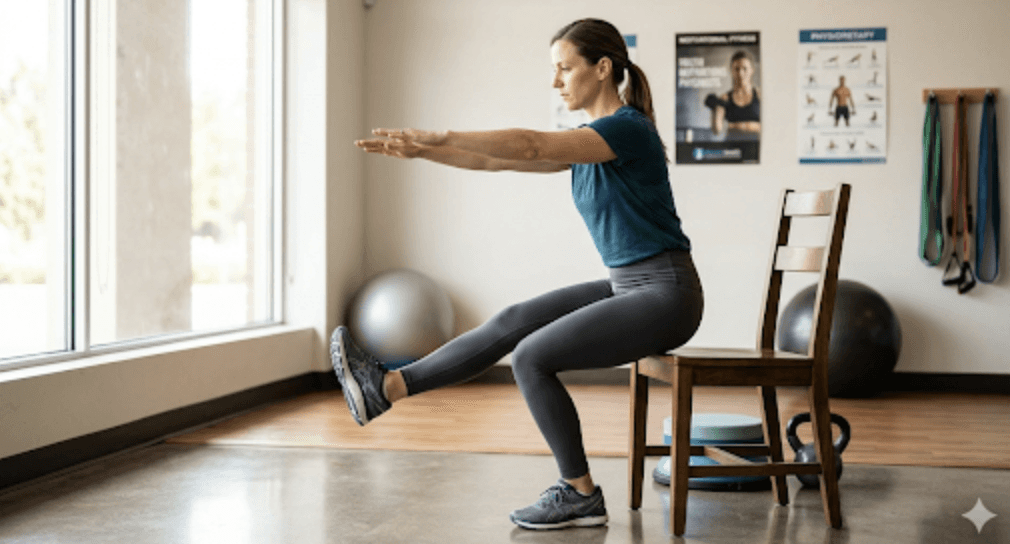
As a physiotherapist, I want to share The Squat-and-Gesture Workout: A New Frontier for Cognitive Fitness. From brain drain to brain gain, this is the science of deliberate multitasking—and why a little bit of duality may be exactly what your body and mind need.
So, is multitasking a myth… or a skill you can actually master?
Are You Working Out Your Body and Forgetting Your Brain?
We’ve been taught that multitasking is inefficient, and in many everyday situations, that’s true. Distracted multitasking divides attention and reduces performance. But when it’s done with intention, structure, and purpose, it becomes something entirely different.
Deliberate dual-task training—combining a physical movement with a cognitive challenge—doesn’t confuse the brain. It trains it.
The Squat Challenge That Will Make You Smarter
Combining complex hand movements with exercises like squats is a powerful way to improve both physical strength and cognitive function. This type of training challenges your system to coordinate, adapt, and respond in real time.
Rather than overloading your brain, it encourages it to become more efficient.
The Science Behind It
Dual-task training taps into neuroplasticity, your brain’s ability to form and reorganise neural pathways. Every time you ask your brain to manage movement and thought together, you’re strengthening those connections.
It also places demand on the prefrontal cortex, the area responsible for attention, working memory, and decision-making. Over time, this improves executive function and your ability to stay focused under pressure.
As your brain adapts, cognitive flexibility improves, allowing you to shift between tasks more smoothly. Processing speed increases too, meaning you can handle information faster and with less effort.
From a physiotherapy perspective, one of the biggest benefits is the strengthened link between motor and cognitive systems. In real life, we rarely do one thing at a time—we move, think, react, and adapt simultaneously. This type of training prepares you for exactly that.
Who Benefits from Dual-Task Training?
This approach is valuable at any age, but certain groups see particularly strong benefits.
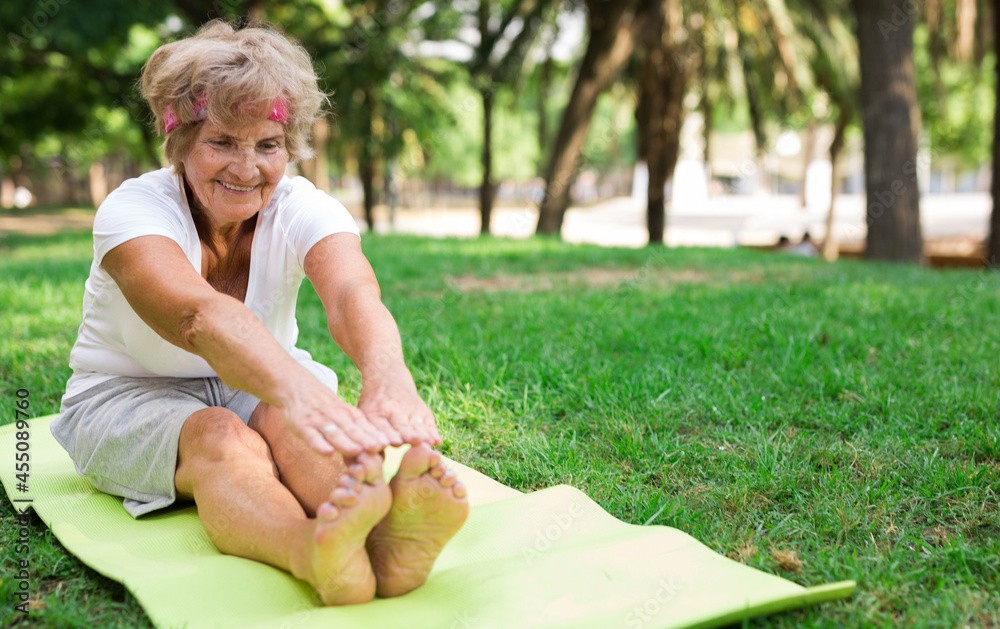
Older adults often experience improvements in balance, gait, and memory, while reducing their risk of falls and maintaining independence.
Athletes use similar methods to sharpen reaction time and decision-making under pressure, allowing them to stay mentally engaged while performing physically.
In rehabilitation settings, dual-task training is widely used to support recovery from neurological conditions such as stroke, brain injury, and Parkinson’s disease, helping restore both movement and cognitive function.
Strength and Brain Health
Strength training alone has been shown to support brain health, including increasing the size of the hippocampus—the area responsible for memory and learning. When you combine strength work with cognitive challenges, those benefits are amplified.
You’re not just building muscle—you’re building a more resilient, adaptable brain.
Exercises to Try
A simple squat can become a full brain workout when paired with intentional cognitive tasks.
You might perform squats while tapping your fingers in a sequence, or lunges while switching hand positions between a fist and a flat palm. Clapping patterns can add rhythm and coordination, while balance exercises combined with fine motor tasks—like handling small objects or tapping a balloon—challenge stability and focus at the same time.
The goal is not perfection, but engagement.
General Guidelines for a Brain-Based Workout
Start simple and build gradually, ensuring your movement quality stays strong before adding complexity. When your form begins to slip, it’s a sign to slow down rather than push through.
The brain thrives on novelty, so changing patterns and combinations regularly helps keep it engaged and prevents autopilot.
Consistency is where the real benefit lies. A few sessions each week can lead to meaningful improvements in both physical and cognitive performance.
And most importantly, enjoy the process. When training feels playful and engaging, your brain responds even more positively.
So next time you move your body, consider this: are you just exercising… or are you training your brain too?
Because you can do both.
Namaste
Lisa