Live Stronger for Longer: My Top 3 Movements for 50+
DAILY HABITS
Mar 31, 2026
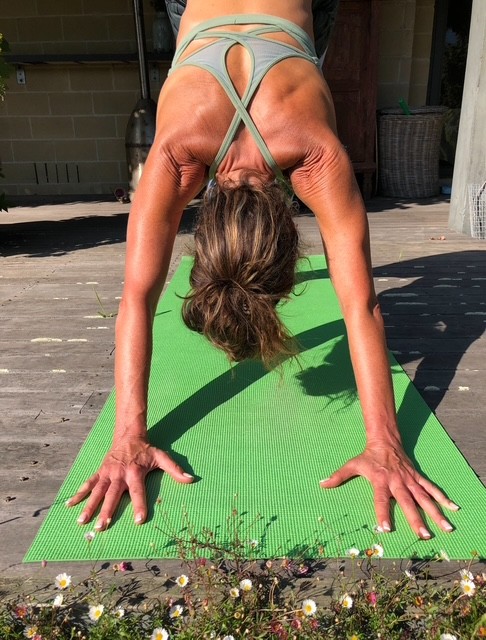
As a physio turning 60 soon, I’m not training to win a bodybuilding show—I’m training so I can keep hiking, playing with the grandkids, and staying independent for the next 30 years. After 50, muscle isn’t just about aesthetics; it’s metabolic insurance. If you only have time for three movements, make it these. They target bone density, functional stability, and grip strength.
The first is the Goblet Squat (or Bench Squat). This is the ultimate functional movement. Whether you’re getting out of a low car or standing up from a chair, you need leg power. Holding a dumbbell at chest height helps counterbalance your weight and keeps your spine upright, making the movement both safer and more effective.
Next is the Romanian Deadlift (RDL), which targets the posterior chain—your glutes, hamstrings, and lower back. This is essential for protecting your spine and maintaining balance. A simple cue I like to use is to imagine closing a car door with your hips while keeping the weights close to your legs.
The third key movement is the Overhead Press. Shoulder mobility and upper body strength are often the first to decline, so maintaining your ability to reach into high cupboards is a big win for longevity. If your shoulders feel stiff, resistance bands are a great option, or you can perform the movement seated to better support your lower back.
Consistency beats intensity every single time. Training two to three times per week, with one to three sets of eight to fifteen repetitions, is more than enough to build strength and maintain function. Whether you’re using dumbbells, kettlebells, or resistance bands, what matters most is showing up regularly.
While these three lifts are the foundation, the real magic lies in how we move between them. In my classes and retreats, I focus not just on the weight being lifted, but on the connection between the brain and the body. When we combine sequenced movement, lifting, and bodyweight challenges, we’re building more than muscle—we’re building resilience.
This is where “smart movement” becomes essential for longevity. Training your proprioception and balance by varying tempo or shifting your stance helps your brain understand exactly where your body is in space, which is your strongest defence against falls. Repeating consistent, sequenced patterns builds muscle memory so that functional movement becomes second nature—you won’t have to think about how to lift a heavy suitcase because your body will already know what to do. Incorporating multi-directional movement also develops functional agility, allowing you to twist, reach, and react in real-life situations, whether that’s catching your balance or chasing after a toddler.
I often tell my retreat guests to “move like you want to live.” We use resistance to strengthen bones, but we use flow and coordination to keep the nervous system youthful. It’s about finding harmony between strength and grace.
The goal isn’t to be the strongest person in the gym. It’s to be the strongest, most capable version of yourself for your future self. Your 80-year-old self will thank you for the work you’re doing today.
Ready to move with more intention?