Sneakers on the Mat? Why This 59-Year-Old Physio Is Breaking the Rules
DAILY HABITS
Mar 1, 2026
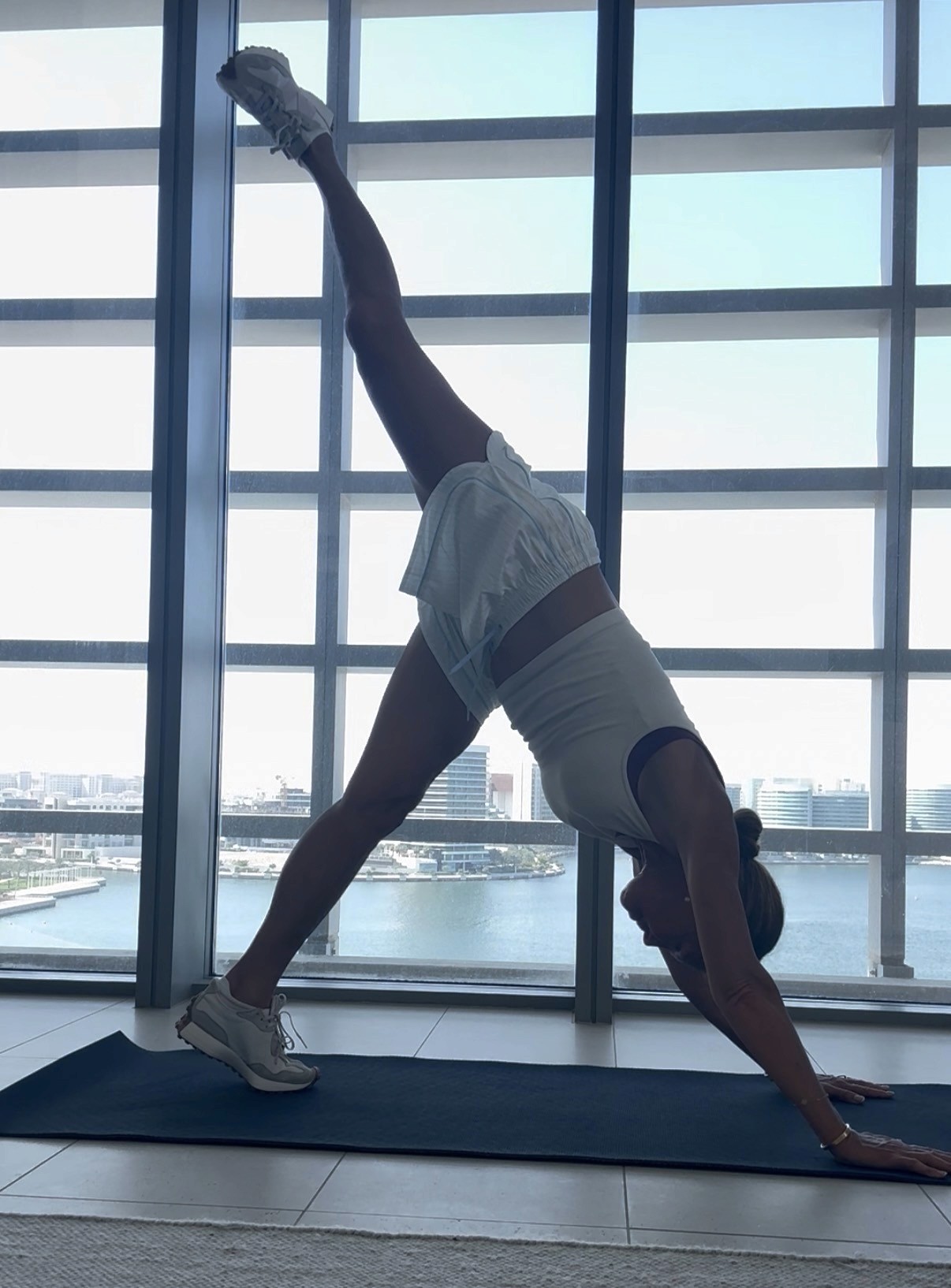
If you walked into a traditional yoga studio and saw someone wearing sleek trainers on their mat, you might do a double take.
“Isn’t yoga supposed to be barefoot?” usually follows.
As a 59-year-old Physiotherapist — and someone living with a degenerative arthritic ankle that regularly reminds me of its presence — my answer is simple: function over fashion. Stability over “the norm.”
At The Self Project, my philosophy has always been about intelligent movement for longevity. For years, I advocated strongly for barefoot training. But as my own joint health evolved, so did my approach to my Yogalates practice.
Here’s why I now wear supportive sneakers on the mat — and why you might want to consider it too.
The Reality of an Arthritic Ankle
Osteoarthritis is not just “a bit of stiffness.” It is a structural change in the joint. The cartilage that once absorbed shock and created smooth glide begins to thin. Impact tolerance reduces. Bone-on-bone friction can create pain, swelling and inflammation.
In Yogalates — where the fluidity of yoga meets the core-focused repetition of Pilates — the demands on the lower kinetic chain are significant. Even though it is considered low impact, there are constant weight shifts, balance challenges and controlled load transfers.
As a physiotherapist, I understand that arthritis often affects proprioception — your brain’s ability to sense where your joint is in space. After a long clinical day on my feet, my ankle can fatigue. When that happens, my arch collapses slightly. That subtle shift then travels upward, placing strain on my knee and hip.
Ignoring that reality would not be mindful movement. It would be denial.
Why Sneakers Are a Game-Changer
I am not wearing bulky running shoes. I choose lightweight, supportive trainers that provide specific clinical advantages.
Mechanical Support
A well-structured sneaker offers a neutral base. It reduces excessive inward rolling (overpronation) during balancing poses such as Warrior III or Tree Pose.
That added stability protects not only the ankle but the entire kinetic chain.
Shock Absorption
Even “low impact” movement involves micro-load transfers. A small amount of cushioning under the heel functions as a substitute for the cartilage my ankle no longer has.
This reduces post-session inflammation and improves recovery.
Increased Lever Arm for Strength Work
From a Pilates perspective, the slight weight and grip of a shoe can enhance muscular engagement. During bridges or leg circles, I find improved activation through my glutes and hamstrings.
The shoe creates subtle resistance that challenges control in a productive way.
My Physiotherapy Perspective
Exercise is only beneficial if it does not trigger a flare-up.
If wearing supportive shoes allows you to complete a 45-minute session pain-free — instead of stopping after 10 minutes barefoot — then clinically, the shoes are the correct choice.
Longevity is about sustainability. Not aesthetics. Not tradition.
At this stage of life, my goal is not to prove I can move like I did at 25. It is to move well at 59 — and beyond.
Challenging the “Barefoot or Bust” Dogma
Mindful movement should adapt to your body’s needs. Not the other way around.
By wearing sneakers on the mat, I am not abandoning yoga principles. I am applying them. Listening. Adjusting. Respecting the signals my body provides.
If you live with persistent foot, ankle or knee pain, consider experimenting. Look for a minimalist trainer that allows flexibility through the forefoot but provides a stable, structured sole.
Your practice should support your longevity.
It should empower you to stay consistent.
And sometimes, that means breaking the rules.
Namaste,
Lisa