The Science of Better Breathing: Beyond the Automatic
DAILY HABITS
Mar 1, 2026
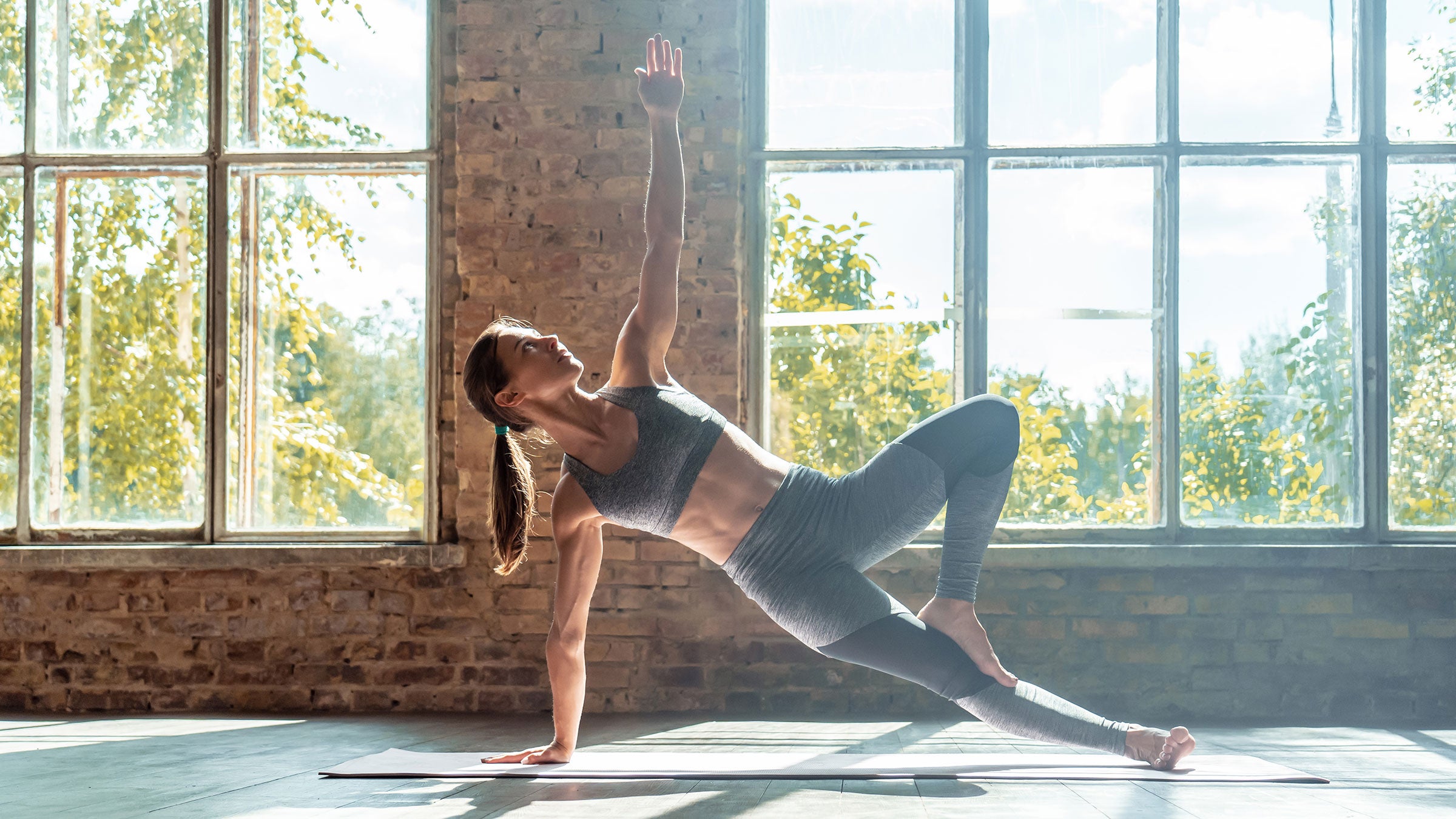
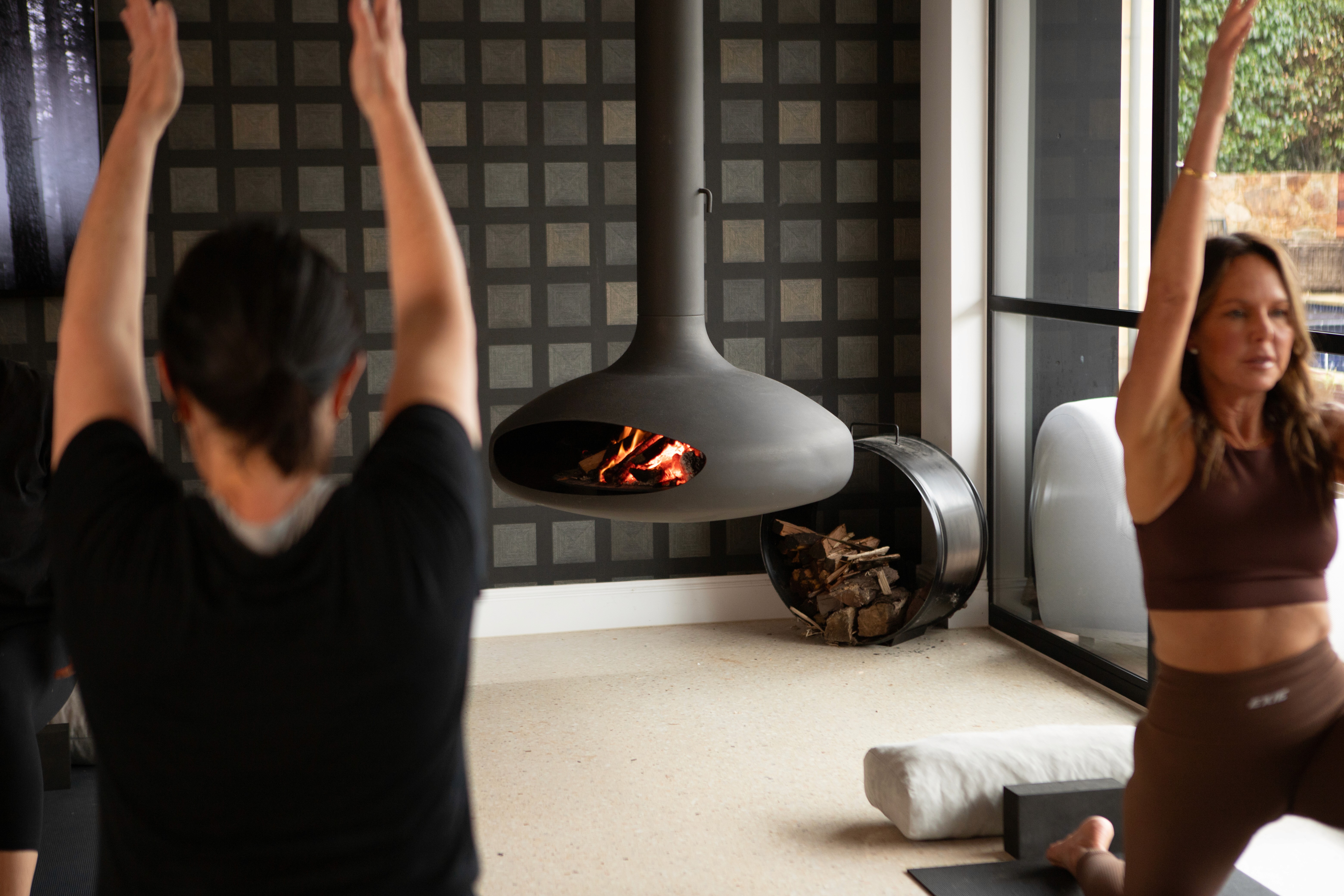
At The Self Project, I am passionate about bridging the gap between clinical physiology and the mindful movement of Yogalates. It’s a powerful intersection for longevity.
Most people treat breathing as a passive background process. But shifting it into an active practice is one of the fastest and most effective ways to regulate the nervous system.
Most of us rarely think about how we breathe. It’s automatic. Our body does it while we focus on everyday life. But there is a profound difference between surviving with shallow, chest-dominant breathing and thriving with efficient, diaphragmatic breathing.
Let me explain why breathing is your longevity remote control.
Why Breathing Is Your Longevity Remote Control
The way you breathe acts as a direct dial to your Autonomic Nervous System (ANS). When we breathe poorly, we send a constant low-level distress signal to the brain. Over time, this can contribute to:
Fragmented Sleep
Mouth breathing and shallow breathing cycles disrupt restorative deep sleep.
Chronic Stress
Poor breathing patterns keep the body in a sympathetic, “fight or flight” dominant state.
Structural Strain
Overusing the neck and shoulder muscles instead of the diaphragm leads to chronic tension, neck pain and postural dysfunction.
Breathing is not just about oxygen. It is a regulatory system influencing stress hormones, heart rate variability, posture and long-term cardiovascular efficiency.
How I Integrate Respiratory Science Into My Practice
As a Physio and Yogalates instructor, I do not treat breathing as an “extra.” It is the foundation of every movement and recovery plan.
In the Clinic
For my clinical patients, breathwork is both a diagnostic and corrective tool. We assess rib cage mobility and diaphragmatic strength to alleviate back pain, reduce tension patterns and improve postural stability.
Workshops & Retreats
These sessions allow us to explore deeper respiratory mechanics, including CO₂ tolerance, nasal breathing, box breathing, kundalini breathwork and structured breath holds.
Within Yogalates flows, the breath dictates the tempo. This teaches the body to remain in a calm, parasympathetic state even under physical challenge.
One-on-One Coaching
In private sessions, we examine breath biomechanics during high-stress moments. By refining how you breathe under pressure, we can shift long-term health outcomes, improve cardiovascular efficiency and enhance resilience.
I guide my clients in moving breathing from a subconscious habit to a conscious longevity tool.
When you master your breath, you master your biology.
Mastering the Diaphragmatic Breath
To transition from shallow chest breathing to restorative diaphragmatic breathing, it helps to combine anatomical awareness with sensory feedback.
The goal is to move the primary work of breathing away from the neck and shoulders and down into the diaphragm, the dome-shaped muscle at the base of the lungs.
Step 1: The Setup
Lie flat on your back on a firm surface, such as a yoga mat, with your knees slightly bent. This relaxes the abdominal muscles.
Place one hand on your upper chest and the other just below your rib cage on your belly. This provides immediate biofeedback.
Step 2: Relax the Secondary Breathers
Soften your jaw.
Drop your shoulders away from your ears.
Exhale first. Gently blow out all the stale air through your mouth to create space for the new breath.
Step 3: The Inhalation – Expansion
Inhale slowly through your nose for a count of four.
Keep the hand on your chest completely still.
Feel the hand on your belly rise. Imagine your abdomen filling like a balloon, expanding not just upward but outward toward your sides.
Step 4: The Pause – Connection
Hold the breath gently at the top for two seconds. This allows efficient oxygen exchange and signals calm to the nervous system.
Step 5: The Exhalation – Contraction
Exhale slowly through pursed lips, as if blowing through a straw, for a count of six.
Feel the hand on your belly slowly sink back toward your spine.
In your Yogalates practice, this is where you feel the gentle engagement and “knitting” of the deep abdominal muscles.
Why the Exhale Is Longer
As a physiotherapist, I emphasise the extended exhale because it directly stimulates the vagus nerve and supports parasympathetic activation.
During inhalation, heart rate slightly increases as sympathetic activity rises.
During exhalation, the body shifts into a rest-and-digest response.
The result is reduced cortisol, a lower resting heart rate and improved core stability.
Practise this for five to ten minutes, twice per day. Over time, your body will begin to default to this low and slow breathing pattern even when you are not consciously thinking about it.
When did you last take a deep breath intentionally?
Namaste,
Lisa