Unlocking Stronger Wrists: A Physiotherapist's Guide to Yoga & Injury Prevention
DAILY HABITS
Jan 12, 2026
Unlocking Stronger Wrists: A Physiotherapist's Guide to Yoga & Injury Prevention
As a physiotherapist and passionate yogi, I’ve seen firsthand the incredible benefits of yoga for both body and mind. Yet, one area that frequently brings clients to my clinic — and one I dedicate significant time to during my retreats and workshops — is wrist pain.
It’s a common complaint, especially for those new to a dynamic yoga practice, but also for seasoned practitioners who may be overlooking crucial alignment cues. Our wrists are complex, vital joints, and they bear a surprising amount of load in many popular yoga poses. The good news is that with a little education and conscious effort, you can protect and strengthen them for a sustainable practice.
Why Are Our Wrists So Vulnerable in Yoga?
In many weight-bearing poses, your wrists essentially act as shock absorbers and stabilizers for your entire body weight. If the force isn’t distributed correctly, or if the surrounding muscles aren’t engaged, that delicate joint capsule takes the brunt. Over time, this can lead to issues such as carpal tunnel syndrome, tendinitis, ligament sprains, or general aches and stiffness. The key to prevention lies in understanding how to distribute that load and what muscles should be active.
Top Poses & Physio Fixes for Wrist Health
Let’s explore some common poses where wrist care is paramount, and how to practice them safely.
Downward-Facing Dog (Adho Mukha Svanasana)
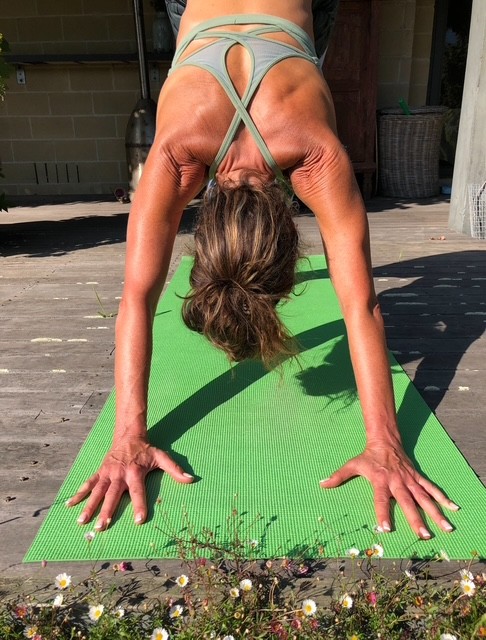
Often the first major weight-bearing pose encountered, Down Dog sets the foundation for many other poses. A common mistake is dumping weight directly into the heel of the palm, hyperextending the wrist, and letting the fingers lift. The physiotherapy-informed fix focuses on active hand engagement. Imagine your hands as suction cups, spreading your fingers wide to create a broad base of support. Press firmly through your fingertips and the knuckles at the base of your fingers, especially the thumb and index finger, to take pressure out of the wrist joint. Rotating your elbow pits forward helps externally rotate the shoulders, distributing force more evenly up the arm, and a slight bend in the elbows protects against hyperextension.
Side Plank (Vasisthasana)
Side Plank is a fantastic core and shoulder strengthener but can be brutal on the wrist if not set up correctly. Many people collapse into the wrist, let the shoulder hike up to the ear, and fail to engage the obliques. To protect the wrist, stack the supporting hand directly under the shoulder, and use the same “clawing” action in the hand as in Down Dog. Actively press the floor away through your hand and arm, engaging the serratus anterior for shoulder stability. Activate your core so the obliques lift your hips, taking unnecessary strain off the wrist and shoulder.
Crow Pose (Bakasana)
Crow Pose is an exhilarating arm balance that requires significant wrist strength and stability. Common mistakes include rounding the wrists excessively, leaping forward without core engagement, or letting the elbows splay out. The fix is progression, not a jump. Start with the Down Dog hand foundation, spread fingers wide, and create a “shelf” with your upper arms for your knees to rest on. Keep elbows tracking back, lift with your core, and round your upper back slightly to lighten the load on the wrists. Shift your weight slowly until balanced — building strength and proprioception takes time.
Education is Empowerment
During retreats and workshops, I frequently review these precise cues, demonstrations, and modifications. My goal isn’t just to teach poses but to cultivate a deeper understanding of your body’s mechanics. When you understand why you’re doing something a certain way, your practice transforms from mindless movement into intelligent exploration. This heightened body awareness is the cornerstone of injury prevention and a sustainable yoga journey.
Don’t let wrist pain diminish your love for yoga. By implementing these physiotherapy-informed techniques, you can build resilient wrists, enjoy a stronger practice, and maintain your well-being on and off the mat.