Unlocking Your Potential: A Physiotherapist’s Guide to Self-Managing Neck & Upper Back Stiffness
DAILY HABITS
Dec 16, 2025
Unlocking Your Potential: A Physiotherapist’s Guide to Self-Managing Neck & Upper Back Stiffness
As your physiotherapist, my goal isn’t just to treat you in the clinic, but to empower you with the tools for daily self-management. That stiff neck and tense upper back you’re experiencing isn’t just uncomfortable — it can impact everything from your posture and concentration to your overall vitality.
This guide provides simple, effective techniques you can easily integrate into your day, whether at home or even at your desk. Used alongside our hands-on sessions, these techniques become a powerful adjunct to your care. Think of this as your secret weapon against stiffness.
The Ripple Effect of a Stiff Neck and Upper Back
Neck and upper back tension rarely stays isolated. What feels like a local issue often has wider effects throughout the body. Tightness in this area is commonly linked to headaches, particularly tension-type headaches caused by tight muscles at the base of the skull.
Poor posture is another common consequence. When stiffness limits movement, the body compensates, often leading to slouching or a forward head posture. Over time, this altered alignment can even contribute to lower back pain, as changes in the upper spine affect the entire spinal chain.
Persistent discomfort can also reduce concentration, making it harder to focus on work or daily tasks. When your body is constantly fighting tension, it drains energy, leaving you feeling tired and less vibrant overall.
By actively addressing stiffness in the neck and upper back, you’re not just easing pain. You’re supporting better spinal health, improving mental clarity, and enhancing your overall sense of wellbeing.
Your Physiotherapist-Approved Self-Massage and Mobilisation Toolkit
Before beginning, there are a few important physiotherapy principles to keep in mind. Always listen to your body — pressure should feel firm but never painful. Pain is a warning signal. Warming the area beforehand, such as with a warm shower or heat pack, can significantly improve muscle relaxation and make these techniques more effective.
Self-Massage Techniques for Targeted Release
Spend one to two minutes on each side for the following techniques, breathing deeply throughout.
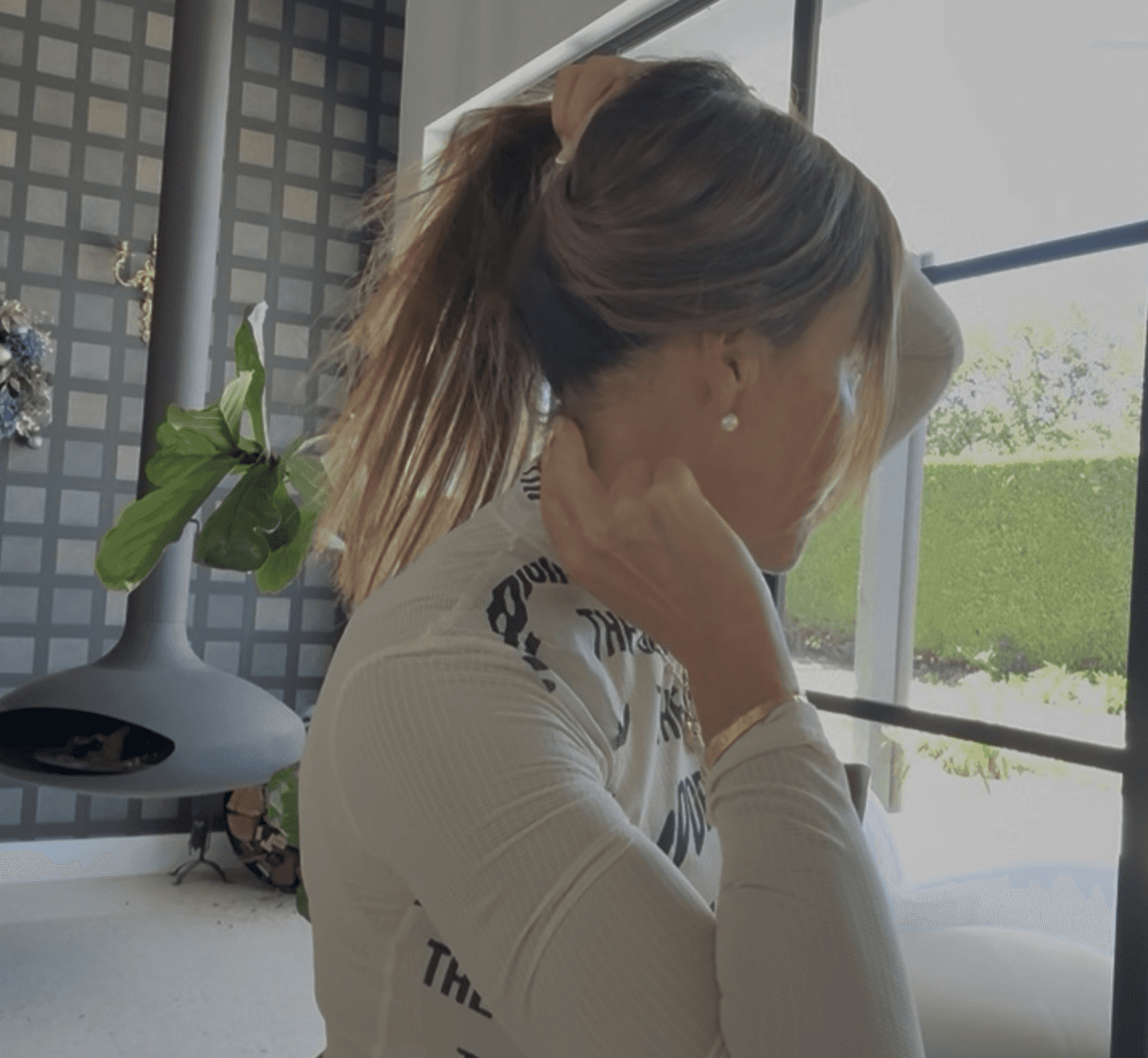
The first technique targets the upper trapezius muscle, the large muscle where your neck meets your shoulder. Using your opposite hand, gently grasp this muscle between your thumb and fingers. Apply firm, sustained pressure and hold for ten to fifteen seconds before slowly releasing.
Next is the circular knot massage, designed to address trigger points. Using your fingertips or thumb, explore the muscles along the back and sides of your neck and across the top of your shoulder blades. You may notice small, tender, taut areas — commonly referred to as “knots.” Apply gentle but direct pressure and perform slow, small circular movements. As tolerated, gradually increase the pressure, or alternatively hold steady pressure for twenty to thirty seconds until you feel the tension begin to melt away. Releasing these trigger points can have a profound effect on overall comfort and mobility.
The final massage technique focuses on the base of the skull, targeting the sub-occipital muscles. Place your fingertips or thumbs just below the ridge where your skull meets the top of your neck. These muscles are small but powerful contributors to neck tension. Apply gentle upward pressure using slow circular movements or sustained pressure for thirty to sixty seconds. Tension in this area is a common contributor to headaches originating from the neck and can reinforce a forward head posture.
Gentle Mobilisation and Stretches for Range of Motion
These movements are best performed after massage, when the muscles are more relaxed. Move slowly and deliberately, staying within a comfortable range.
Begin with head tilts, also known as side bending. Sit or stand tall with your gaze forward. Gently tilt your head, bringing your ear toward your shoulder while keeping the shoulder relaxed and down. Hold the stretch for fifteen to thirty seconds, then return to centre and repeat on the other side. This movement helps improve lateral flexibility of the neck.
Chin tucks, or axial extension, are especially important for posture. Looking straight ahead, gently slide your chin straight backward as if making a “double chin.” Keep your gaze level and avoid looking down. You should feel a gentle stretch at the back of your neck. Hold for three to five seconds, then relax. Repeat five to ten times. This exercise helps reduce strain on the neck, improves forward head posture, and supports better cervical spine alignment.
Finish with shoulder rolls to release tension through the upper back and shoulders. Inhale deeply as you shrug your shoulders toward your ears, then exhale slowly as you roll them backward and down, allowing them to fully relax. Perform five to ten repetitions, then reverse the direction and roll forward. This movement promotes thoracic mobility and encourages a more open, upright posture.
Integrating Self-Care Into Your Daily Routine
Consistency is key. At your desk, set a reminder to perform a few shoulder rolls and chin tucks every hour. In the morning, starting your day with a warm shower can help prepare your muscles for movement. In the evening, using the circular knot massage on any stubborn areas before bed can promote relaxation and improve sleep quality.
The Bigger Picture: Your Journey to Better Health
These techniques aren’t just about short-term relief. They’re about building awareness, control, and resilience in your body. By actively engaging in self-management, you’re reducing pain and stiffness while also improving posture, boosting concentration, and enhancing vitality.
When your body feels freer and more aligned, you naturally have more energy for work, movement, and life overall.